
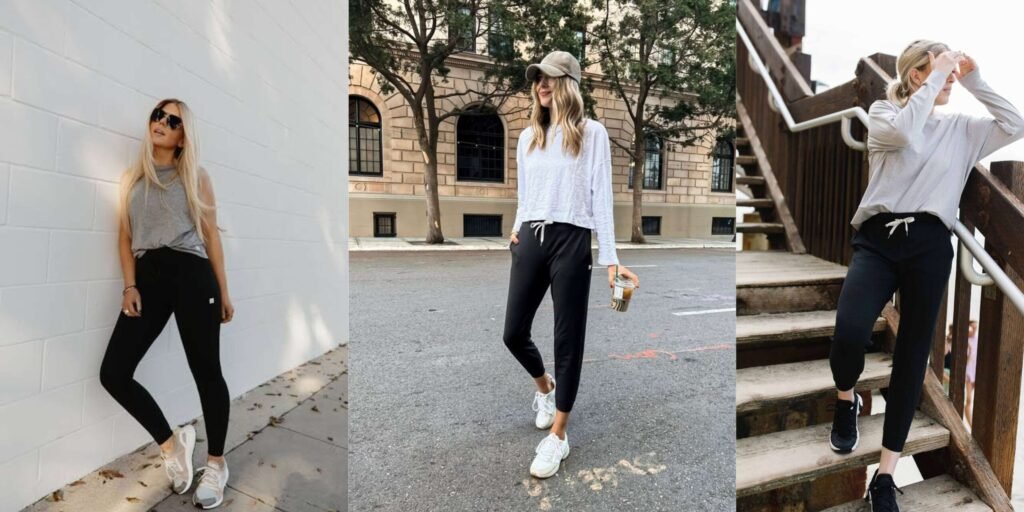

When people ask where viori clothing gets its fabrics, the answer is more interesting than simply naming one country or supplier. Vuori follows a supply-chain approach that combines specialized mills, preferred fibers, and manufacturing partners. The company describes its design philosophy as “fabric first,” meaning textiles play a major role in deciding how a product is developed. Instead of choosing a garment design and adding fabric afterward, Vuori works extensively with high-quality yarns and specialized mills to develop fabrics with the desired feel and performance.
Vuori Works With Specialized Fabric Mills
One of the less obvious parts of making premium activewear is the importance of textile mills. Vuori says its designers spend considerable time working with specialized mills to create fabrics that balance softness, stretch, breathability, durability, and performance. This approach helps explain why many pieces feel different from ordinary gym clothing. The material itself is considered during the earliest stages of product development. Rather than treating fabric as a basic component, Vuori uses it as a source of inspiration for leggings, shirts, shorts, jackets, and comfortable everyday pieces.
Preferred Fibers Are Part of the Sourcing Strategy
Vuori has developed a system known as Vuori Preferred Fibers, which influences the materials selected for its products. According to the company, its fiber selection process uses the Textile Exchange Fiber and Materials Matrix and environmental data from Worldly’s Higg Materials Sustainability Index. Vuori generally considers fibers “preferred” when they have lower greenhouse-gas emissions per kilogram than conventional alternatives, while also considering environmental practices and recognized certification standards. This gives the brand a framework for making material decisions rather than choosing fabrics based only on appearance or cost.
Recycled Materials Play an Important Role
Recycled fibers are another important part of Vuori’s material strategy. Some of its performance fabrics contain significant amounts of recycled content. For example, the company states that DreamKnit™ is made with 89% recycled materials, while Vuori BlissBlend™ contains 75% recycled materials. VCycled™ is also partly made from recycled materials such as plastic bottles. These materials are designed to provide familiar activewear qualities while reducing reliance on conventional virgin inputs. For shoppers researching viori clothes, this is an important detail because the fabric composition can vary considerably between different products.
The Brand Does Not Own Its Clothing Factories
It is also useful to separate fabric sourcing from garment manufacturing. Vuori does not own the factories that produce its clothing. Instead, it works with manufacturing partners in different locations and requires its Tier 1 manufacturing vendors to follow its Vendor Code of Conduct. That code covers areas such as worker treatment, health and safety, wages and benefits, environmental responsibility, and restrictions on forced and child labor. This means Vuori’s supply chain depends on external partners rather than vertically integrated company-owned factories.
Certifications Help Track Responsible Materials
Material certifications are another piece of the sourcing process. Vuori says it is certified by IDFL for several Textile Exchange standards, including the Organic Content Standard, Global Recycled Standard, Recycled Claim Standard, Responsible Wool Standard, and Responsible Down Standard. These certifications can help support claims about particular materials and improve supply-chain tracking. However, they do not mean every Vuori product uses every certified material. Instead, the certification framework supports the brand’s broader approach to sourcing and helps verify applicable fibers as they move through the supply chain. https://thesportsangel.com/our-services/
Why Fabric Quality Matters to Vuori
The emphasis on fabric helps explain the reputation Vuori has developed around comfort. Activewear needs to perform during movement, but many customers also expect it to work outside the gym. That creates a demanding combination of softness, stretch, moisture management, recovery, and durability. Vuori’s fabric-first philosophy attempts to address those needs before the final garment takes shape. A material may be selected because it feels exceptionally soft, while another may be better suited to training or outdoor activity. The result is a product range built around different textile characteristics.
What Does “Sourced” Actually Mean?
The phrase “where does Vuori source its fabrics?” can be slightly misleading because a finished garment can pass through several stages. Fibers may originate from one location, become yarn somewhere else, be knitted or woven at a specialized mill, dyed and finished at another facility, and finally become a garment through a manufacturing partner. Vuori publicly explains its material standards and manufacturing expectations, but it does not present every fabric as coming from one single country. Therefore, it is more accurate to think of Vuori as operating through a global network of textile and manufacturing partners.
Sustainability Goes Beyond Choosing Recycled Fabric
Choosing recycled materials is only one part of responsible clothing production. The environmental impact of apparel also involves farming, fiber processing, dyeing, finishing, transportation, manufacturing, use, and eventual disposal. Vuori’s approach therefore includes both material selection and supply-chain standards. Its stated goal is to work with partners that share its environmental and social values while continuing to improve its supply chain as the business grows. For consumers researching vouri, this broader picture is more useful than judging the brand solely by whether an individual garment contains recycled polyester.
You can also explore our Vuori Collection for more styles and colors.
How Vuori’s Fabric Choices Affect Everyday Wear
The sourcing strategy eventually becomes noticeable in the way the clothes perform. A fabric selected for four-way stretch can make movement easier, while a moisture-wicking textile can be more comfortable during exercise. Soft brushed materials may work especially well for casual clothing and travel. Vuori’s materials directory highlights fabrics such as DreamKnit™, VCycled™, Vuori BlissBlend™, BreatheInterlock™, and V1 Uplift™, each developed for different performance and comfort characteristics. This variety shows why fabric sourcing is not simply about finding the cheapest or most sustainable fiber available.
What Shoppers Should Look For
Anyone buying from vuoriclothingofficial or researching Vuori products should check the individual product’s material composition rather than assuming every item is made from the same fabric. Different collections can use different blends and technologies depending on their purpose. A running short may prioritize lightweight performance, while a lounge piece may focus more heavily on softness and stretch. Checking the listed fiber percentages gives shoppers a clearer understanding of what they are purchasing. It is also a better way to compare different Vuori pieces based on comfort, performance, care requirements, and intended use.
The Future of Vuori Fabric Sourcing
Vuori’s fabric strategy appears to be moving toward a combination of performance innovation, preferred fibers, recycled content, and stronger supply-chain accountability. The company continues to describe its products as being developed around high-quality textiles, while its preferred-fiber framework provides a way to evaluate environmental considerations. As customers become more interested in where their clothing comes from, brands will face greater pressure to explain materials and manufacturing more clearly. For Vuori, that makes fabric sourcing more than a behind-the-scenes process—it is increasingly part of the product story itself. https://thesportsangel.com/
Final Thoughts on Vuori Fabric Sourcing
So, where does vuori clothing source its fabrics? There is no single answer because Vuori uses a network of specialized textile mills, material suppliers, and manufacturing partners. Its approach centers on a fabric-first design philosophy, preferred fibers, recycled materials, and supply-chain standards. Some fabrics use high percentages of recycled content, while others are selected for specific performance characteristics. For shoppers considering viori clothes, understanding this process gives a more realistic picture of what sits behind the finished product: a carefully developed combination of materials, textile expertise, and global manufacturing relationships.

Free contributor opportunity
List your business, then unlock your own Guest Post.
Self-register for free and connect your expertise to a public business profile.