
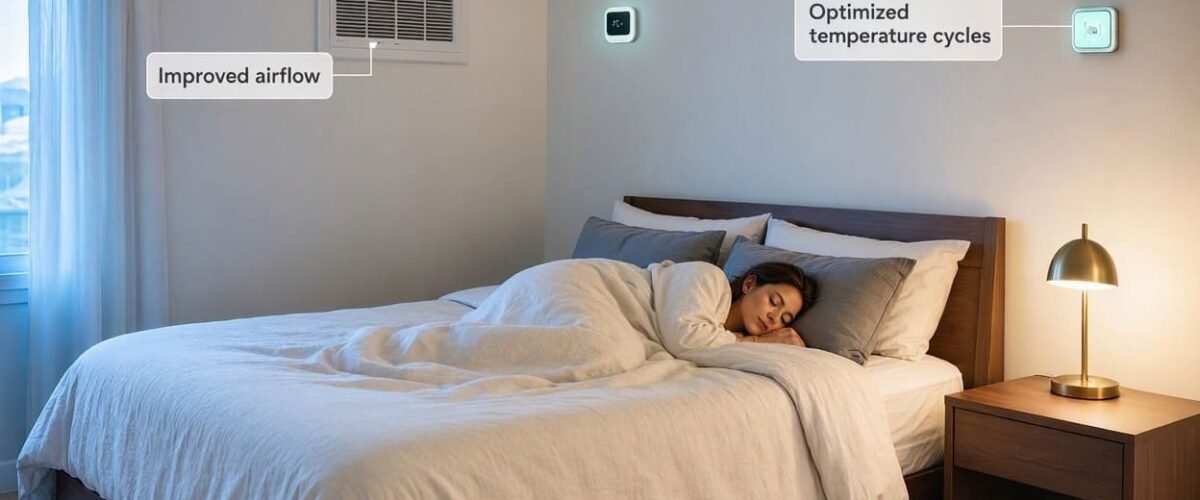
A comfortable bedroom is one of the most important factors in getting a good night’s sleep. While mattresses, pillows, lighting, and bedtime routines often receive most of the attention, your HVAC (Heating, Ventilation, and Air Conditioning) system can also have a significant influence on your sleeping environment. Temperature, humidity, airflow, ventilation, noise levels, and indoor air quality all contribute to how comfortable your bedroom feels throughout the night.
A properly designed and maintained HVAC system can help create stable indoor conditions that make it easier to fall asleep, remain asleep, and wake up feeling refreshed. On the other hand, poor temperature regulation, excessive humidity, inadequate ventilation, and noisy equipment may interfere with nighttime comfort.
More info about air conditioner price, visit web: harga ac 1/2 pk
Understanding the relationship between HVAC performance and sleep quality can help homeowners make smarter decisions about heating, cooling, and indoor air management.
1. Maintaining a Comfortable Bedroom Temperature
Temperature is one of the most noticeable ways an HVAC system can affect sleep. The human body naturally changes its temperature throughout the sleep cycle. A bedroom that is excessively warm can make it difficult to relax, potentially causing sweating, discomfort, and frequent awakenings. Meanwhile, a room that is too cold may create discomfort and make it harder to remain asleep.
An efficient HVAC system helps maintain a consistent bedroom temperature throughout the night. Instead of experiencing sudden temperature fluctuations, homeowners can use programmable thermostats to regulate indoor conditions automatically.
Many people prefer a relatively cool sleeping environment, although the ideal temperature varies depending on personal preferences, bedding, clothing, and individual comfort requirements.
Air conditioning systems with adjustable operating modes can provide additional flexibility. Some models offer sleep modes that gradually adjust cooling output or fan speed during nighttime operation. These features can help maintain comfort while potentially reducing unnecessary energy consumption.
2. Controlling Indoor Humidity Levels
Humidity is another important factor influencing bedroom comfort. High humidity can make indoor spaces feel warmer than they actually are because moisture reduces the effectiveness of sweat evaporation from the skin.
This can become particularly uncomfortable in tropical climates, where warm temperatures and high outdoor humidity are common. Excessive indoor moisture may also contribute to condensation, musty odors, and conditions that encourage mold growth.
An HVAC system can help regulate indoor humidity through its cooling and dehumidification functions. As warm indoor air passes over the cold evaporator coil of an air conditioner, moisture condenses and is removed through the drainage system.
For homes with persistent moisture problems, a dedicated dehumidifier may provide additional control.
However, excessively dry air can also affect comfort. Low humidity may contribute to dry skin, irritated nasal passages, and throat discomfort. Maintaining moderate indoor humidity is therefore important for creating a comfortable sleeping environment.
3. Improving Indoor Air Quality for Better Sleep
The quality of the air inside your bedroom matters because you spend several hours breathing that air every night. Dust, pollen, pet dander, smoke, and other airborne particles can accumulate indoors and affect overall comfort.
HVAC filtration systems help capture airborne particles before they circulate throughout the home. Using an appropriate air filter can reduce the amount of dust and other contaminants moving through the system.
Homeowners should pay attention to filter ratings, including MERV (Minimum Efficiency Reporting Value), when selecting replacement filters. Higher-rated filters can capture smaller particles, but they must be compatible with the HVAC equipment because excessive airflow resistance may reduce system performance.
Portable air purifiers equipped with suitable HEPA filtration can provide additional particle removal in bedrooms.
Ventilation is equally important. Introducing an appropriate amount of outdoor air and removing stale indoor air can help manage accumulated odors and certain indoor pollutants. Mechanical ventilation systems may be particularly useful in tightly sealed homes where natural air exchange is limited.
4. Reducing HVAC Noise During the Night
Noise is an often-overlooked factor in bedroom comfort. Even when temperature and humidity are properly controlled, loud HVAC equipment can interfere with relaxation and sleep.
Older air conditioning systems may produce rattling, buzzing, grinding, or excessive airflow sounds. These noises can result from loose panels, worn motor bearings, damaged fan blades, vibration, or problems within the ductwork.
Modern HVAC equipment is generally designed with quieter operating features. Variable-speed compressors and electronically controlled fans can help reduce sudden changes in operating noise.
However, even relatively new equipment may become noisy if it is incorrectly installed or poorly maintained.
Regular professional inspections can identify mechanical problems, loose components, and airflow restrictions. Correcting these issues can help create a quieter bedroom environment.
5. Maintaining Balanced Airflow Throughout the Bedroom
Uneven airflow can create uncomfortable temperature differences within a room. For example, one side of a bedroom may feel excessively cold while another remains warm.
Several factors can contribute to this problem, including blocked vents, improperly sized ductwork, dirty filters, poorly positioned supply registers, and inadequate return-air circulation.
Proper HVAC design helps distribute conditioned air more evenly. Supply vents should be positioned to support effective circulation without directing uncomfortable cold or hot air directly toward the bed.
In larger homes, zoning systems can provide greater temperature control by allowing different rooms or areas to operate at separate settings.
This approach is particularly useful for households where family members have different temperature preferences. Each bedroom can maintain conditions that suit its occupants without requiring the entire home to use the same thermostat setting.
6. Why Regular HVAC Maintenance Matters
A well-maintained HVAC system is more likely to deliver consistent temperature control, effective airflow, and reliable operation. Over time, however, dust and debris can accumulate on filters, evaporator coils, condenser coils, and other components.
Dirty filters can restrict airflow, making the equipment work harder to maintain the desired temperature. Dirty coils may also reduce heat-transfer performance, potentially affecting cooling efficiency.
Routine maintenance helps prevent these problems and allows technicians to identify developing issues before they become expensive repairs.
Important maintenance activities include:
-
Cleaning or replacing air filters according to manufacturer recommendations.
-
Inspecting evaporator and condenser coils.
-
Checking condensate drainage for blockages.
-
Inspecting electrical connections and mechanical components.
-
Evaluating refrigerant-system performance when necessary.
-
Checking thermostat accuracy and system operation.
-
Cleaning accessible supply and return vents.
Homeowners should also watch for warning signs such as unusual noises, weak airflow, unpleasant odors, frequent system cycling, and inconsistent temperatures.
7. Choosing the Right HVAC Settings for Sleeping
Adjusting HVAC settings according to your nighttime routine can improve bedroom comfort and help manage electricity consumption.
A programmable or smart thermostat allows homeowners to establish automatic temperature schedules. For example, the system can maintain a comfortable temperature before bedtime and adjust its operation later during the night.
Some smart thermostats can also learn household routines and provide remote temperature adjustments through mobile applications.
Fan settings deserve consideration as well. Continuous fan operation can improve air circulation in certain systems, but it may also increase energy consumption. The appropriate setting depends on equipment design, filtration performance, and household requirements.
Avoid setting the thermostat unnecessarily low when using air conditioning. Extremely low settings do not necessarily produce better sleep conditions and may increase operating costs.
8. The Role of Smart HVAC Technology in Sleep Comfort
Technological developments have made modern HVAC systems more adaptable to individual comfort preferences. Smart thermostats, Wi-Fi-enabled air conditioners, and advanced temperature sensors allow homeowners to manage bedroom conditions more conveniently.
Some systems provide scheduling features, energy monitoring, humidity information, and remote operating controls. These functions can help users understand how their indoor environment changes throughout the day and night.
Variable-speed inverter technology is another useful development. Instead of operating only at full capacity or switching completely off, inverter-driven systems can adjust compressor speed according to cooling demand.
This can help maintain more stable temperatures while potentially improving energy efficiency under suitable operating conditions.
Although smart features cannot guarantee better sleep, they provide additional tools for maintaining a consistent and comfortable indoor environment.
9. Combining HVAC Performance with Healthy Bedroom Habits
Even an advanced HVAC system cannot compensate for every factor affecting sleep quality. Bedroom conditions should be considered as part of a broader approach to healthy sleeping habits.
Keep bedding clean, reduce unnecessary clutter, and minimize sources of dust. Curtains or blinds can help control sunlight and reduce daytime heat entering the bedroom.
Avoid placing furniture directly in front of air conditioning units or ventilation openings. Proper airflow around HVAC equipment allows it to distribute conditioned air more effectively.
It is also important to address moisture problems promptly. Leaking pipes, roof leaks, and condensation around windows should be repaired to prevent persistent dampness.
Combining these habits with appropriate HVAC operation can help create a cleaner, quieter, and more comfortable sleeping space.
Conclusion: Create a More Comfortable Bedroom with the Right HVAC System
Your HVAC system is more than a device for heating or cooling your home. It plays an important role in maintaining the indoor conditions where you spend many hours every night. Temperature stability, humidity control, clean air, balanced airflow, and low operating noise can all contribute to a more comfortable bedroom.
For the best results, homeowners should combine appropriate HVAC settings with regular equipment maintenance, clean air filters, adequate ventilation, and good bedroom habits.
If your system consistently struggles to maintain comfortable conditions, consider having a qualified HVAC professional evaluate its capacity, ductwork, thermostat settings, airflow, and overall performance.
Ultimately, improving sleep comfort does not always require expensive renovations or major equipment replacements. Sometimes, optimizing your existing HVAC system can make a meaningful difference in how your bedroom feels. By paying attention to indoor climate conditions, you can create a more comfortable environment that supports restful nights and refreshing mornings.

Finding an affordable air conditioner in Jakarta with competitive prices is easier when Affordable Air Conditioners in Jakarta at Competitive Prices – you choose the right online store. acjakarta.com provides a convenient destination for customers looking for quality air conditioning products at attractive prices for residential and commercial needs. call us