
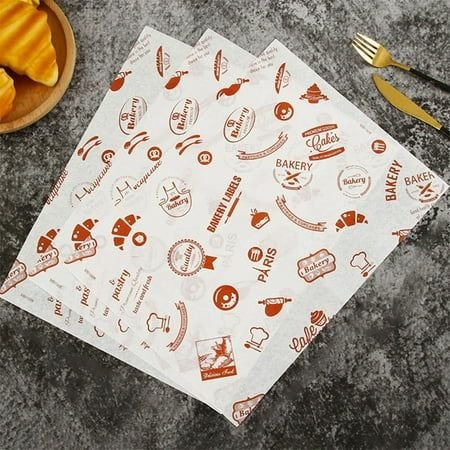

Food packaging does much more than hold a product. It keeps food clean, helps maintain quality,y and makes handling easier for both businesses and customers. One packaging material that has become common in many food settings is custom hot paper. It is often used for wrapping warm food items because it can handle heat while keeping products protected. From bakeries and cafes to food trucks and restaurants, this paper serves many everyday needs. It is simple to use and can be customized in different ways. While it may seem like a small detail, ail it plays an important role in food presentation and convenience. Understanding how it works can help businesses choose packaging that fits their products and daily operations.
Smart Packaging Choice
Many food businesses look for packaging that balances function and convenience. This is where wholesale custom hot paper becomes useful. Buying larger quantities often helps maintain consistency in packaging while ensuring there is enough supply during busy periods. The paper is designed to handle warm foods without losing its structure too quickly. It creates a barrier between food and hands, which improves the eating experience. Since different foods require different packaging styles,s businesses often select paper sizes and finishes that match their menu items and serving needs.
Print Design Benefits
Packaging often becomes part of the customer experience. With hot wrapping paper, businesses can add designs, logos, or simple branding elements directly onto the surface. This turns ordinary wrapping into something more recognizable. A customer may not remember every detail of a meal, but attractive packaging can leave a lasting impression. Printing also allows useful information to be displayed, such as product names or handling instructions. The result is packaging that does more than wrap food because it adds a visual element that supports everyday business operations.
Brand Identity Value
Many food companies want packaging that reflects their identity without making it overly complicated. Custom hot wax paper with a logo offers a practical way to do this. The wax coating can help resist moisture and grease, which makes it suitable for certain food products. At the same time, a logo placed on the paper creates a familiar appearance for customers. Even a simple design can help make packaging look more organized and professional. Over time, consistent packaging can become something customers associate with a particular business.
Everyday Food Uses
Restaurants, cafes, and takeaway shops often rely on printed hot paper for wrapping food that is served fresh and warm. Sandwiches, his past, fries, burgers, ragers, and snacks are common examples. The paper helps separate food from direct contact while making handling easier. It can also reduce mess during transport and consumption. Different thickness levels are available depending on the type of food being packaged. Choosing the right option helps improve functionality and ensures the packaging performs well under normal serving conditions.
Flexible Roll Format
Some businesses prefer packaging materials that can be adjusted to different product sizes. A hot paper roll provides that flexibility. Staff can cut the exact amount needed for each item rather than relying on fixed sheet dimensions. This approach can reduce waste and make packaging more efficient. Roll formats are especially useful in busy kitchens where speed matters. They are easy to store and can support a variety of food applications throughout the day. Many operations find this format practical because it adapts to changing packaging needs.
Convenient Sheet Options
Not every food service environment requires rolls. Hot paper sheets offer a ready-to-use solution that saves time during preparation. Since the sheets are pre-cut, staff can quickly wrap products without measuring or trimming material. This can be especially helpful during busy service hours when efficiency becomes important. Sheets are available in different sizes, which allows businesses to choose options that fit their menu. Their simplicity and convenience make them a common choice for bakers, cafes, and takeaway counters that need reliable packaging every day.
Custom Branding Impact
Packaging often communicates a message before the customer even tastes the food. Using hot paper with a logo can help strengthen brand recognition in a subtle way. A consistent logo design creates familiarity and gives packaging a more finished appearance. Customers may notice these small details even when they are focused on the food itself. Over time, repeated exposure to branded packaging can help reinforce business identity. It is a simple approach that combines practical food wrapping with visual consistency across different products and locations.
Growing Industry Demand
As food businesses continue to expand,d packaging requirements also change. Hot wrapping paper remains popular because it combines functionality with presentation. It supports food handling while helping maintain a clean appearance. Custom paper wholesale companies now explore different textures, finishes, hues, and printing methods to match their packaging goals. For larger operations, hot paper wholesale options provide access to greater quantities while supporting ongoing demand. This allows businesses to maintain packaging standards without frequent reordering. As customer expectations evolve, practical packaging solutions continue to play an important role in the food industry.
Conclusion
Packaging may seem like a small part of food service, but it influences convenience, cleanliness, and presentation. Custom hot paper helps businesses wrap warm food safely while providing opportunities for branding and product protection. Its availability in roll sheets and printed formats makes it suitable for many different food applications. Whether used by a small bakery or a large restaurant can, it remains a practical packaging choice. As food businesses continue looking for reliable and efficient solutions, custom hot paper is likely to remain an important part of everyday food packaging because it combines simplicity, usefulness, ss and flexibility in one material.