
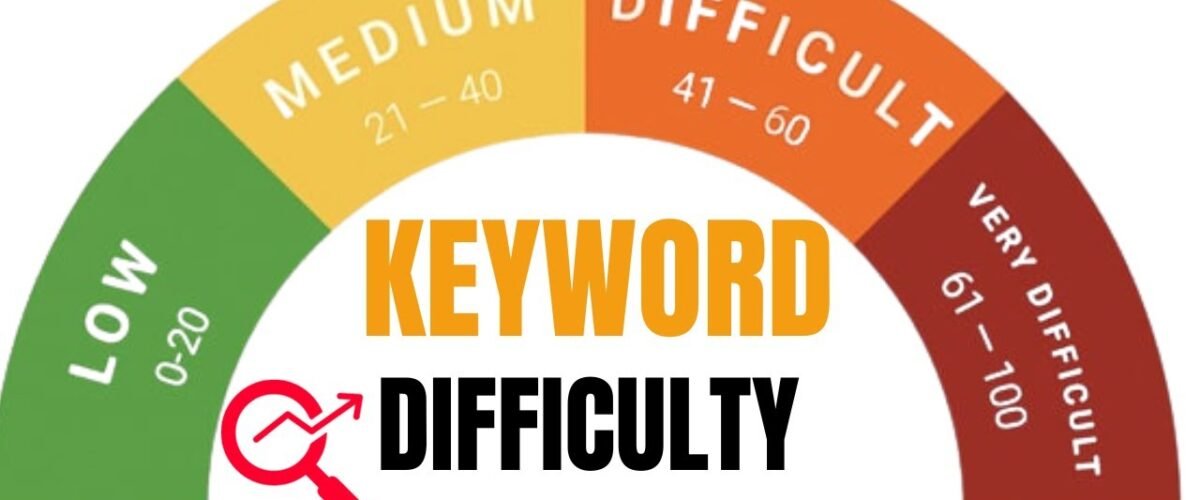
Creating content that ranks well requires more than choosing popular keywords. Writers and marketers need to know which search terms offer realistic opportunities and which ones may require too many resources to compete. Keyword difficulty checker tools help businesses analyze search competition, identify valuable keywords, and create smarter content plans.
A keyword difficulty checker evaluates how challenging it may be to rank for a specific search term. It studies factors such as competitor strength, domain authority, backlink profiles, and search results. With this information, content creators can select keywords that match their goals and create pages with a better chance of gaining visibility.
What Is Keyword Difficulty and Why Does It Matter?
Keyword difficulty measures the level of competition for a keyword. A high difficulty score usually means many strong websites already rank for that term. A lower score often indicates a better opportunity for newer websites or smaller businesses.
Without keyword research, businesses may spend time creating content for keywords that are difficult to rank for. A keyword difficulty checker provides useful data that helps marketers choose terms based on competition, search intent, and potential traffic.
Finding Better Keywords for Content Planning
A strong content strategy starts with selecting the right keywords. Keyword research tools help identify terms that users search for and reveal opportunities that competitors may overlook.
A reliable keyword difficulty checker helps content teams compare different keywords before writing an article. It allows them to review search volume, competition levels, and ranking potential.
The best keyword difficulty checker tool gives marketers detailed insights into keyword competition and helps them create content based on realistic ranking opportunities. These tools support better decisions by showing which keywords can bring valuable visitors.
Creating Content Based on Search Intent
Keywords alone do not create successful content. Marketers need to know why users search for specific terms. Search intent helps determine whether people want information, product comparisons, reviews, or solutions.
Keyword difficulty checker tools often work alongside search intent analysis. They help writers identify keywords that match user needs and create content that answers important questions.
Choosing Keywords With Better Ranking Opportunities
Many businesses focus only on high-volume keywords. However, these terms often have strong competition from established websites. A smarter approach involves finding keywords with a balance between search demand and ranking difficulty.
A free keyword difficulty checker allows marketers to review keyword competition without investing in expensive software immediately. These tools can help beginners learn how keyword metrics work and identify possible content opportunities.
By analyzing keyword scores, businesses can create content around specific topics instead of competing only for broad terms. This approach improves the chances of attracting targeted visitors.
Improving Content Quality Through Data
Keyword difficulty analysis helps writers create more focused content. Instead of guessing what topics may perform well, teams can use data to guide their content decisions.
A keyword difficulty checker can reveal:
- Competitive keywords in a specific industry
- Related search terms
- Content gaps
- Ranking challenges
- Long-tail keyword opportunities
This information helps businesses create detailed articles, guides, and landing pages that provide real value to readers.
Building a Stronger SEO Strategy
SEO success depends on consistent planning. Keyword research, content creation, technical improvements, and performance tracking all work together to improve online visibility.
A top keyword difficulty checker helps SEO professionals evaluate multiple keywords and choose the most suitable options for their campaigns. It provides valuable information about competition levels and helps teams create organized content calendars.
For example, an SEO team may identify several related keywords with moderate difficulty. They can then create a series of articles that cover different parts of a topic, building authority over time.
Supporting Long-Term Content Growth
Content strategies need flexibility because search trends change regularly. A keyword that performs well today may become more competitive later. Regular keyword analysis helps businesses update their strategies and maintain strong performance.
Keyword difficulty checker tools support ongoing optimization by showing new opportunities and changing competition levels. Marketers can refresh old content, target new keywords, and improve pages that are not performing as expected.
These tools also help businesses discover long-tail keywords. Long-tail phrases usually have fewer searches but often attract visitors with specific interests. These visitors may engage more because the content directly matches their needs.
Comparing Competitors Effectively
Competitor analysis plays an important role in SEO planning. Keyword difficulty tools show which websites currently rank for specific terms and provide insights into their strengths.
By reviewing competitor content, marketers can identify:
- Topics competitors cover
- Missing information in existing articles
- Content formats that perform well
- Opportunities for more detailed resources
This research helps businesses create better content instead of simply copying existing pages.
Saving Time and Improving Efficiency
Manual keyword research can take significant time. Keyword difficulty checker tools simplify the process by collecting important SEO data in one place.
Content teams can quickly compare keyword options, evaluate competition, and organize their publishing plans. This allows marketers to focus more time on creating valuable content.
A keyword analysis platform also helps businesses avoid investing resources in keywords that may not deliver results. Better planning leads to more efficient SEO campaigns.
The Role of Keyword Variations in Content Strategy
Using different keyword variations helps content appear for a wider range of searches. Search engines now focus on meaning and context instead of exact keyword matches only.
Related terms such as keyword competition analysis, SEO keyword research, search volume analysis, organic ranking opportunities, and content optimization tools help create natural and informative content.
Writers should include keyword variations naturally while maintaining readability. Content should provide answers first and use SEO techniques to support visibility.
Conclusion
Keyword difficulty checker tools improve content strategies by helping businesses select realistic keywords, analyze competition, and create valuable content. These tools provide data that guides better decisions and reduces wasted effort.
A strong SEO plan combines keyword research, search intent analysis, quality writing, and regular optimization. Whether a business uses a free keyword difficulty checker or an advanced platform, the goal remains the same: create content that reaches the right audience and provides useful information.
By using keyword difficulty insights effectively, marketers can build stronger content strategies and improve their chances of achieving long-term search success.

Harry Miller is a digital marketing specialist focused on education lead generation. Marketers experts helps educational institutions and businesses attract and convert high-quality leads through data-driven strategies, SEO, and targeted campaigns, empowering them to grow enrollment and achieve measurable results in the competitive education sector.