
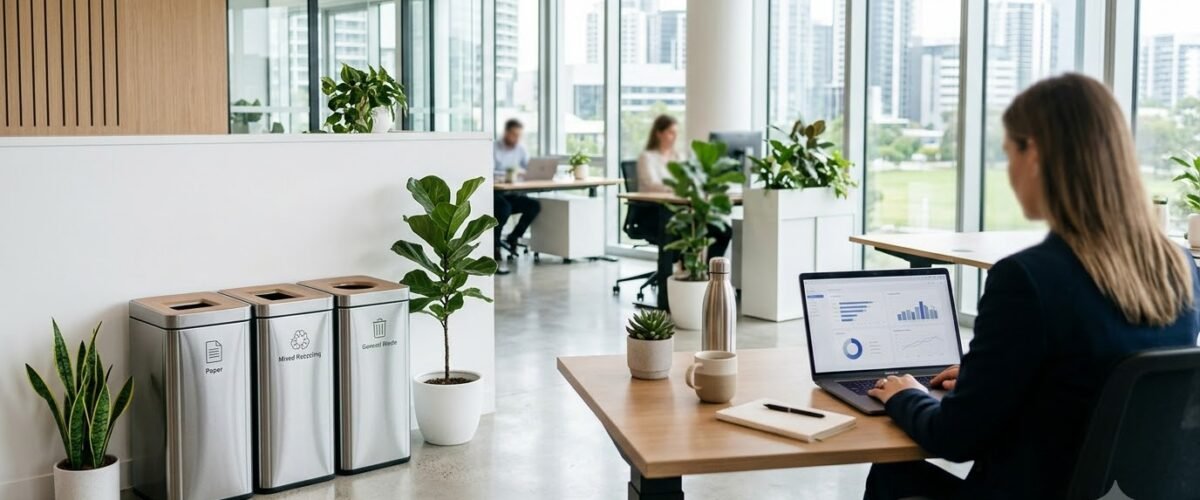
Every business creates waste. Whether it comes from packaging, office supplies, construction materials, food operations, or daily workplace activities, waste is a normal part of running a company. However, many businesses still view waste as something that simply needs to be removed once it leaves their premises.
Today, that mindset is changing. Businesses are beginning to recognise that waste is not only an environmental concern but also a reflection of operational efficiency. The materials a company throws away, the resources it consumes, and the way it manages waste can directly influence costs, productivity, and reputation.
Waste reduction is becoming a competitive advantage because companies that manage resources more effectively are often better positioned for long-term growth.
Waste Reduction Is More Than an Environmental Responsibility
For many years, waste management was treated as a basic operational task. Businesses would collect waste, arrange disposal, and move on. While proper disposal remains important, modern businesses are looking at the bigger picture.
Waste often represents lost opportunities. When a company throws away excess materials, unused products, or unnecessary packaging, it is also wasting money and resources that could have been used more efficiently.
Reducing waste encourages businesses to examine their daily operations and identify areas where improvements can be made. Simple changes, such as reducing unnecessary packaging, improving recycling processes, or monitoring purchasing habits, can create noticeable results over time.
A waste reduction strategy does not require businesses to completely transform their operations overnight. Small, consistent improvements can help companies reduce expenses while creating more responsible workplace practices.
How Smarter Waste Management Improves Business Efficiency
Efficient waste management is closely connected with better business operations. When companies understand what they are throwing away and why, they gain valuable insights into their processes.
For example, a retail business may discover that excessive packaging is increasing costs without adding real value. A construction company may identify ways to reuse materials instead of constantly purchasing new supplies. An office environment may reduce unnecessary paper consumption by adopting better digital systems.
Tracking waste patterns helps businesses make smarter decisions. It allows them to improve purchasing, reduce unnecessary spending, and create more organised workplaces.
A well-planned commercial waste management approach can also save employees time. When waste collection systems are clear and efficient, workers spend less time dealing with clutter, overflowing bins, or poorly organised disposal areas.
Professional waste management solutions can support businesses by providing the right services and systems for handling different waste types. This allows companies to focus on their core operations while improving how they manage resources.
Waste Reduction Helps Businesses Build Trust and Brand Value
Modern customers are paying closer attention to how businesses operate. Environmental responsibility is becoming an important factor in purchasing decisions, partnerships, and brand loyalty.
Companies that actively reduce waste demonstrate that they are thinking beyond short-term profits. Responsible waste practices can help build a stronger reputation among customers, employees, and the wider community.
However, businesses do not need to claim perfection to make an impact. Customers often value genuine progress more than unrealistic promises. A company that takes practical steps to reduce waste and improve sustainability can create a more authentic connection with its audience.
Waste reduction can also improve employee engagement. Many workers prefer to be part of organisations that have clear values and make responsible decisions. Creating a workplace culture that encourages reducing waste can help employees feel more connected to the company’s goals.
Why the Future of Business Depends on Smarter Resource Management
The future of business will increasingly depend on how effectively companies manage their resources. Rising costs, changing customer expectations, and growing environmental awareness are encouraging businesses to rethink traditional approaches.
Companies that continue treating waste as only a disposal problem may miss opportunities to improve efficiency. On the other hand, businesses that view waste reduction as part of their overall strategy can gain important advantages.
Better resource management can help companies control costs, improve operations, and prepare for future challenges. It is no longer only about meeting environmental expectations; it is about building a smarter and more resilient business.
Waste reduction represents a shift in how companies think about resources. Instead of seeing waste as something unavoidable, businesses can see it as an opportunity to improve.
By making thoughtful changes today, companies can create more efficient operations, strengthen their reputation, and develop practices that support long-term success.

Anzac Shaw writes about waste management, recycling, and sustainable business practices, sharing practical insights and industry knowledge.