
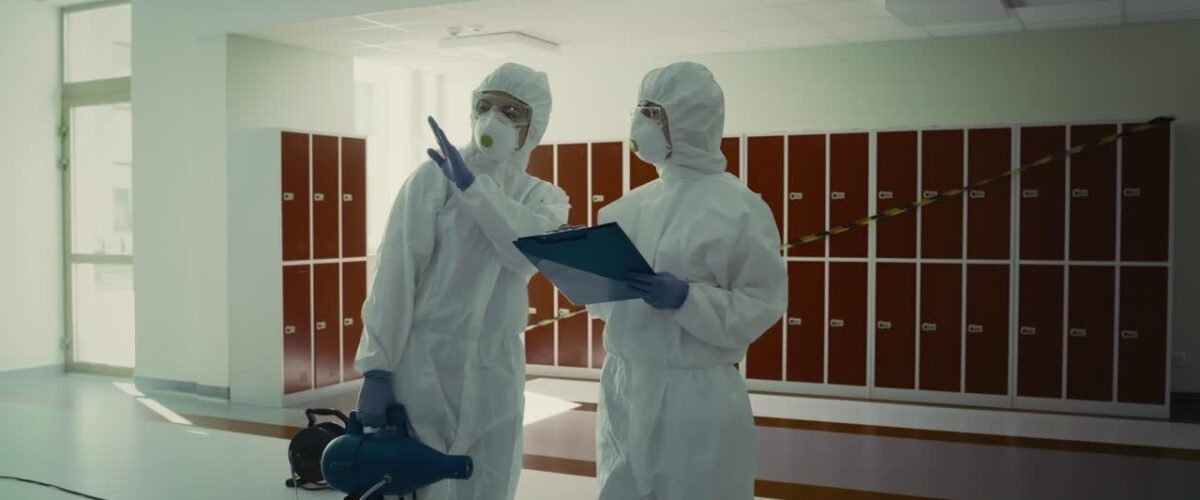
Running a hotel or accommodation business in Darwin comes with its own set of challenges, and pest control is one that can’t be ignored. A single guest complaint about bugs can damage your reputation faster than almost anything else. This checklist covers everything hotel owners and managers need to know to keep their property pest-free and protect their guest experience.
Why Pest Control Matters So Much in Hospitality
Guests expect a clean, comfortable stay, and even one sighting of a pest can lead to a bad review that stays online for years. Beyond reputation damage, pests can trigger health issues, damage furniture, and in severe cases lead to costly structural repairs. That’s why having a hospitality pest control checklist for hotels in place matters more than reacting after a problem appears. Working with an experienced provider like NT Bug busters gives accommodation owners a structured, professional approach rather than guesswork.
Daily Inspection Areas
Certain areas of a hotel need daily attention because they’re the most likely spots for pest activity to begin. Staff should regularly check:
- Kitchen and food storage areas for crumbs or spills
- Bins and waste disposal zones around the property
- Guest room corners, skirting boards, and behind furniture
- Bathroom drains and damp areas
- Loading docks and delivery entry points
Catching small signs early, like droppings or unusual smells, prevents a minor issue from turning into a full infestation.
Guest Room Checks
Guest rooms deserve special attention since this is where most complaints originate. Housekeeping teams should be trained to look for early signs during regular cleaning, especially around mattresses, headboards, and soft furnishings. A thorough guest room bed bug inspection routine should be part of every changeover between guests, not just occasional deep cleans. If a guest reports an issue, immediately isolating the room and calling in professionals, such as the team behind bed bug pest control services, helps contain the problem before it spreads to nearby rooms.
Kitchen and Food Storage Areas
Hotels with on-site dining face additional risks since food attracts a wide range of pests, from cockroaches to rodents. Storage areas need to be sealed properly, and food waste should be disposed of promptly. Regular checks behind large appliances and in pantry corners help catch problems before they escalate. Commercial kitchen pest prevention services should be reviewed alongside general hygiene practices to keep both guests and staff safe.
Common Areas and Outdoor Spaces
Lobbies, pool areas, gardens, and outdoor seating spaces are often overlooked in pest control planning. Standing water near pools or garden features can attract mosquitoes, while gardens close to buildings can become entry points for ants and termites. Keeping vegetation trimmed away from the building and ensuring proper drainage reduces these risks significantly.
Structural and Long-Term Prevention
Beyond daily checks, hotels need a longer-term prevention plan. This includes sealing cracks in walls, checking for termite activity around wooden structures, and maintaining proper ventilation to reduce moisture buildup. A licensed termite inspection and prevention plan should be scheduled periodically since termite damage often goes unnoticed until it becomes expensive to repair.
Staff Training and Reporting
Even the best pest control plan fails without proper staff involvement. Housekeeping, maintenance, and front desk staff should all know the basic signs of pest activity and understand the reporting process. Quick communication between departments ensures issues get addressed before guests are affected.
Working With Licensed Professionals
While in-house checks help catch early signs, hotels need scheduled treatments from licensed pest control experts who understand the specific challenges of Darwin’s tropical climate. Humidity and heat create ideal conditions for pests to thrive year-round, making regular professional visits essential rather than optional.
Building a Checklist That Works
A good hospitality pest checklist should combine daily staff observations, weekly deeper checks, and scheduled professional treatments. Documenting each inspection also helps track patterns over time, making it easier to spot recurring problem areas.
Final Thoughts
Pest control in the hospitality industry isn’t a one-time task; it’s an ongoing commitment that protects your guests, your property, and your brand’s reputation. By combining daily vigilance with professional support, Darwin hotels and accommodation providers can maintain the clean, welcoming environment guests expect every time they walk through the door.
For reliable, long-term pest management, NT Bug Busters provides professional pest control solutions tailored to the needs of hotels, resorts, motels, and accommodation providers across Darwin. With experienced technicians and effective treatment plans, they help businesses maintain a safe, hygienic, and pest-free environment throughout the year.