
POS Software: A Smarter Way to Manage Daily Sales
Running a business becomes difficult when sales, stock, payments, and customer records are handled separately. From my experience, Explore POS Software Solutions makes daily work much easier by bringing these tasks into one system. It helps businesses process sales quickly, manage inventory, track performance, and reduce manual mistakes.
POS stands for Point of Sale. It is the system used when a customer buys a product or service. Modern POS systems do much more than create receipts. They can also support stock control, employee management, customer records, reporting, and business planning.
What Is POS Software?
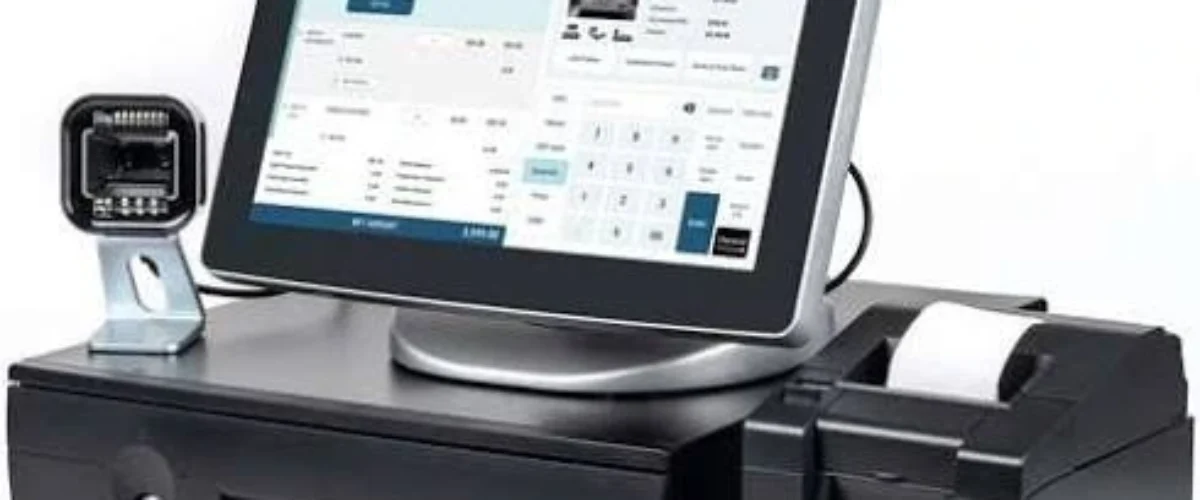
POS software is a digital system that helps businesses complete sales transactions. It usually works with a computer, tablet, barcode scanner, receipt printer, and card machine.
When a product is sold, the software records the payment and updates the stock automatically. This means the business owner does not need to adjust inventory manually after every sale.
In my view, this is one of the biggest benefits because it saves time and keeps records more accurate.
Why Businesses Need POS Software
Many small businesses still use notebooks, calculators, or basic spreadsheets to manage sales. These methods may work at the beginning, but they become difficult as the number of products and customers increases.
POS software helps organise daily business activity in a clear and simple way. It allows owners and managers to see what is selling, how much money is coming in, and which products need to be restocked.
It can also reduce long checkout times and improve the customer experience.
Main Features of POS Software
A good POS system includes several useful features. The exact options may depend on the type and size of the business.
Fast Sales Processing
The main purpose of POS software is to process sales quickly. Staff can scan products, apply discounts, calculate tax, and accept different payment methods.
This makes checkout faster and reduces calculation mistakes.
Inventory Management
Inventory management is one of the most useful features. The software updates stock levels after each sale and shows which items are running low.
I find this helpful because it prevents overselling and makes product ordering easier.
Sales Reports
POS software can create daily, weekly, and monthly sales reports. These reports show total sales, popular products, slow-moving items, refunds, and payment methods.
Business owners can use this data to make better decisions.
Employee Management
Some systems allow managers to create staff accounts and track employee activity. They can see who completed each sale, worked each shift, or applied a discount.
This improves control and accountability.
Customer Management
POS software can store customer names, contact details, order history, and loyalty points.
This information can help businesses offer better service and create more relevant promotions.
Payment Integration
Modern POS systems can accept cash, cards, contactless payments, and digital wallets. This gives customers more payment choices and makes transactions more convenient.
Benefits of Using POS Software
POS software offers several advantages for both small and large businesses.
Better Accuracy
Manual billing can lead to pricing, tax, and stock errors. POS software automates many calculations and reduces the chance of mistakes.
Accurate records also make accounting easier.
Faster Checkout
A fast checkout process improves customer satisfaction. Barcode scanning and saved product prices help staff complete sales in less time.
This is especially important during busy hours.
Improved Stock Control
Real-time inventory information helps businesses avoid overstocking and stock shortages.
Owners can also see which products sell quickly and which items are not performing well.
Better Business Decisions
POS reports provide useful information about sales patterns, customer demand, and business performance.
From my experience, having clear data makes planning much easier than relying on guesswork.
Time Savings
POS software reduces manual work by automating receipts, stock updates, totals, and reports.
This allows staff to focus more on customer service and daily operations.
Related more articles, pos software pakistan
Which Businesses Can Use POS Software?
POS software can be used in many industries. It is not limited to supermarkets or large retail stores.
It is suitable for:
- Restaurants and cafés
- Clothing stores
- Grocery shops
- Pharmacies
- Salons and spas
- Bakeries
- Mobile shops
- Electronics stores
- Bookshops
- Wholesale businesses
- Small service companies
Each business may need different features. For example, a restaurant may need table management and kitchen orders, while a retail store may need barcode scanning and stock tracking.
Cloud-Based and Offline POS Software
Cloud-based POS software stores data online. It can be accessed from different locations, which is useful for business owners with more than one branch.
It also makes updates and backups easier.
Offline POS software works on a local computer or server. It may continue working without the internet, but the business may need to manage backups and updates manually.
In my opinion, cloud-based systems are often more flexible, but the right choice depends on internet availability, security needs, and business size.
How to Choose the Right POS Software
Before buying a POS system, a business should first understand its daily needs.
Easy to Use
The system should be simple for staff to learn. A complicated interface can slow down work and increase training time.
Suitable Features
The software should include the features the business actually needs. Paying for too many unnecessary tools may increase cost.
Reliable Support
Technical support is important, especially when the system is used every day. The provider should offer help with setup, training, and troubleshooting.
Secure Data
The system should protect sales, payment, customer, and employee information.
Regular backups and secure access controls are also important.
Scalability
A good POS system should support business growth. It should allow more users, products, branches, and reports when needed.
Common POS Software Mistakes
One common mistake is choosing a system only because it is cheap. A low-cost system may not provide the required features or reliable support.
Another mistake is not training employees properly. Even good software can create problems if staff do not know how to use it correctly.
Businesses should also keep product names, prices, and stock records updated. Incorrect data can reduce the value of the system.
Final Thoughts
POS software is a practical tool for managing sales, stock, payments, employees, and customers. It helps businesses work faster, reduce errors, and understand performance through clear reports.
From my experience, the best POS system is the one that matches the business type, daily workload, and future growth plans. With the right setup and proper training, POS software can improve both business operations and customer service.